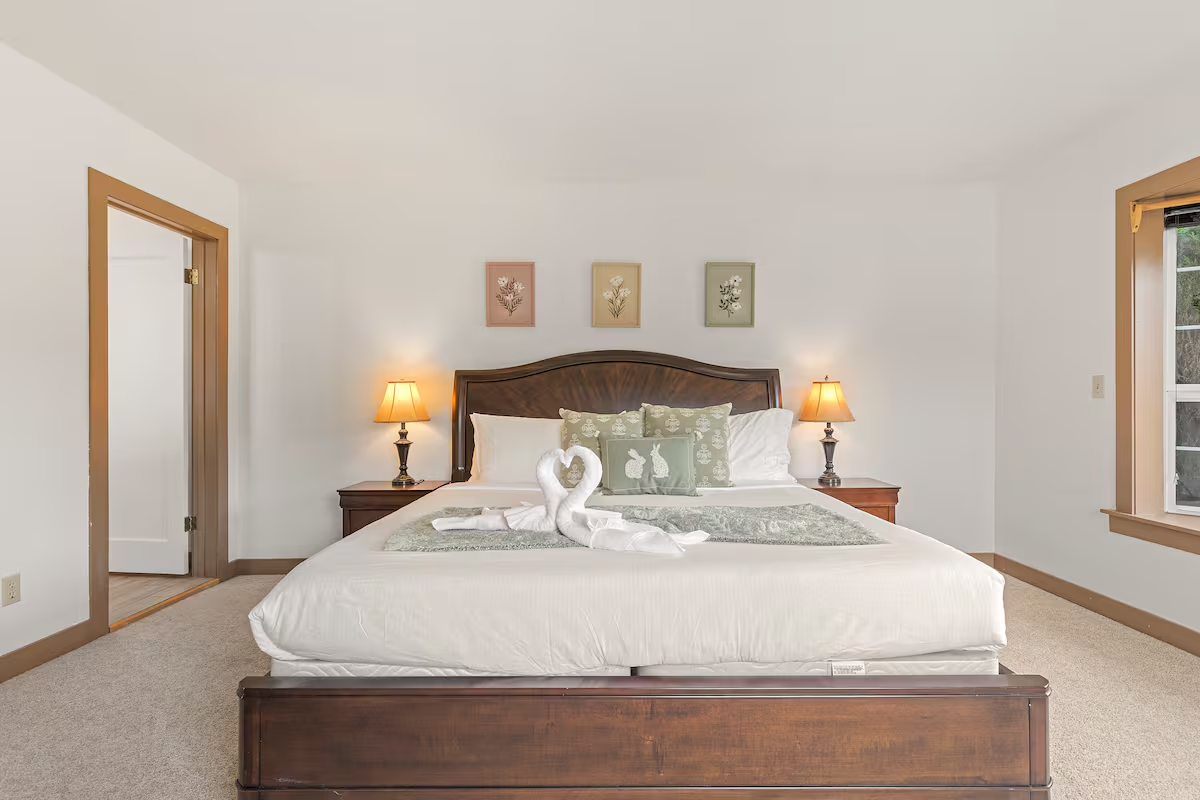
Travel shapes the guest experience before anyone reaches the front door, so SeaTac Airbnb management must make arrivals, quiet hours, and local guidance easy to handle. Seattle-Tacoma International Airport sits at the center of the city’s identity and supports a steady flow of travelers. That creates opportunity for rental owners, but airport proximity alone does not guarantee strong bookings or smooth operations.
A successful listing serves guests with different plans. Some need one night before an early flight, while others stay longer to visit family, work nearby, or explore the Puget Sound region. Owners who build their operations around those needs can offer a reliable stay without treating every reservation as the same.
What travel demand means for SeaTac Airbnb management
SEA handled a record 52.7 million passengers in 2025, according to the Port of Seattle. That figure signals the airport’s scale, but it does not mean every passenger needs a short-term rental in SeaTac. Many travelers stay in Seattle, Tacoma, or other nearby cities, so owners should view airport traffic as a source of potential demand, not a booking forecast.
The local market also needs careful reading. AirDNA’s public Seattle page reports 11,305 active short-term rental listings, 65% average occupancy, a $192 average daily rate, and $39,300 in average annual revenue. Those numbers describe Seattle as a whole, not SeaTac, and should not be used as a direct earnings promise for a property near the airport.
A separate SeaTac market estimate reports 152 active listings, 38.1% occupancy, a $192 average daily rate, and about $18,817 in annual revenue. Its figures differ from the Seattle benchmark because it covers a different area and may use a different method. Owners should compare similar properties by location, size, amenities, and booking pattern before changing rates or projecting income.
This gap between regional and city-level data matters. A home near Angle Lake, a property close to International Boulevard, and a listing farther from the airport may attract different guests. SeaTac Airbnb management works best when owners track actual property results and use broad market data only as context.
Build the stay around airport arrivals
Flight schedules make arrival instructions especially important. Guests may arrive late, travel with children, or need to leave before sunrise, so the listing should explain parking, entry, and quiet-hour expectations in plain language. A clear self-check-in process can reduce late-night questions and prevent guests from disturbing neighbors while they search for the right door.
The check-in message should include the full address, a visible exterior detail, parking instructions, and a backup contact method. If the property has a keypad, explain exactly where to find it and how to use it. Owners should test the process themselves after dark and after a long delay, when a guest has less patience for unclear directions.
Noise deserves specific attention near a major airport. Do not promise silence if aircraft noise can be heard from the home. Instead, set expectations in the listing and provide simple comfort features, such as blackout curtains, a fan, or a white-noise machine, if they suit the property.
A well-run operation also plans for delayed flights and late checkouts. The cleaner needs accurate turnover timing, while the owner needs a process for handling a guest who arrives after midnight. SeaTac Airbnb management should connect guest messaging, cleaning schedules, and access codes so each handoff stays clear.
How SeaTac Airbnb management can stand out beyond the airport
The airport is a strong location signal, but it should not be the entire listing story. SeaTac has local places that support leisure stays, too. Angle Lake Park offers swimming, a spray park in summer, picnic areas, a boat launch, and walking trails, while the Des Moines Creek trail system gives guests another outdoor option nearby.
Owners can describe these attractions accurately and explain how guests can reach them. Mention nearby transit, parking, and realistic travel times, but verify details before publishing. A listing that helps a guest plan the full visit can appeal to more than someone catching a flight.
Local events can create booking windows outside major travel periods. SeaTac’s calendar includes Music in the Park and the Summer Market at Angle Lake Park, along with community events and seasonal activities. Owners can watch the city calendar, update availability early, and adjust rates based on actual search and booking activity instead of assuming every event will create a surge.
Price for the property, not the airport label
A location near SEA can support demand, but owners still compete on value, comfort, and trust. Rate decisions should account for bedroom count, parking, noise exposure, interior condition, and how quickly guests can reach transit or local services. Compare nearby listings with similar features instead of using downtown Seattle rates as a shortcut.
Track revenue per available night as well as occupancy. A high occupancy rate can still produce weak returns if nightly prices are too low or cleaning and operating costs rise. A lower rate on a quiet date may fill a costly gap, while a higher rate on a busy weekend can protect revenue when demand supports it.
Review booking pace each week and adjust only when the data supports a change. If views are strong but bookings are weak, improve photos, amenities, or listing details before cutting rates. If bookings arrive far ahead of the market, test a modest rate increase while watching conversion and cancellations.
SeaTac Airbnb management should also account for longer stays and weekday demand. Work trips, family visits, and travel disruptions can create bookings that do not follow the classic weekend pattern. Flexible minimum stays may help fill open dates, but owners should compare added revenue with cleaning costs and wear.
Compliance and neighbor relations belong in the operating plan
Before listing a home, confirm the rules that apply to its address. SeaTac’s municipal code has short-term rental provisions, and the city says rental operators need an active business license with a SeaTac endorsement. The code also requires short-term rental ads to represent the property in compliance with city and state rules. Owners should review current requirements with the city and confirm any building, insurance, or association restrictions that may also apply.
Keep licenses and required records organized, and make sure the listing information matches the approved use. Rules can change, so check official city guidance before launch and during annual renewals. Clear compliance protects the owner’s investment and makes day-to-day hosting more predictable.
Neighbor relations matter in a residential city. Set clear limits for parking, visitors, trash, and quiet hours before guests arrive. Give neighbors a reliable way to report urgent problems, then respond quickly when a concern arises.
Strong service does not require complicated gestures. Clean rooms, working appliances, accurate photos, and prompt replies shape reviews more than broad claims about hospitality. Owners should inspect the property between stays and address repeat maintenance issues before they affect the next guest.
Use a simple performance routine
A monthly review can reveal what needs attention. Compare occupancy, average daily rate, revenue, cleaning expense, and guest ratings against the previous month and the same season last year. Note whether bookings came from airport travelers, local visits, events, or longer stays when that information is available.
Then make one or two focused changes. Better blackout curtains may help with early flights and daytime sleep, while clearer parking instructions can reduce arrival friction. Test the effect of each change so owners can see which improvements lead to better reviews or stronger booking results.
SeaTac Airbnb management is an operating system as much as a marketing task. Owners need a repeatable plan for pricing, guest communication, cleaning, maintenance, and local compliance. A written checklist makes it easier to deliver the same standard across busy weekends and slower stretches.
Frequently asked questions about SeaTac Airbnb management
Does airport proximity guarantee high occupancy? No. Airport access can attract travelers, but guests also compare price, condition, noise, parking, reviews, and transit access. Use comparable local listings and your own booking history to set realistic expectations.
What local attractions can owners mention? Angle Lake Park, the Des Moines Creek trail system, and city events such as Music in the Park give guests options beyond the airport. Check current hours, closures, and event dates before adding them to a listing or guest guide.
What should owners verify before listing? Confirm SeaTac’s current short-term rental rules, business license requirements, and any property-specific restrictions. Keep listing details accurate, and make sure operating procedures cover guest access, parking, noise, cleaning, and emergency contact.
In a city shaped by travel, reliable hosting begins with the details guests notice first: clear arrival steps, a comfortable place to rest, and honest local guidance. Owners who manage those basics and track their property’s real performance can build a more dependable rental operation. SeaTac Airbnb management succeeds when airport convenience supports a well-run, guest-ready home.