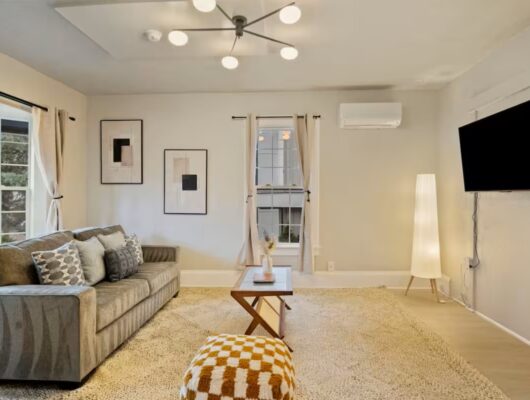
Travelers are staying longer, but a full calendar month is not the right fit for every property or guest. For owners weighing their options, short term accommodation rental can sit between weekend bookings and traditional year-long leases, with room for a mix of short and extended stays.
That middle ground is often called a mid-term rental. It usually means a furnished stay lasting several weeks or a few months. Guests may include people relocating, traveling for work, waiting for a home renovation, or visiting family for an extended period. The length of a booking can affect pricing, cleaning, guest communication, taxes, and local rules, so owners need a plan before switching their calendar settings.
The U.S. vacation rental market is showing a modest shift toward longer bookings. Average stay length rose from 4.0 nights in 2024 to 4.42 nights in 2025, while the average booking window shortened to about 22 days. That suggests some guests are booking closer to arrival but staying longer once they choose a property. These are national figures, not a forecast for any particular city or home.
Short term accommodation rental can serve more than weekend travelers
A property does not need to choose between nightly bookings and a year-long lease in every case. A flexible strategy may accept short stays during high-demand periods and longer bookings during quieter months. The right approach depends on local demand, property rules, operating costs, and the owner’s need to use the home.
Consider a furnished two-bedroom home near a hospital or major employer. It might attract a family visiting a patient, a traveling professional, or a household between homes. These guests may value a kitchen, laundry, parking, reliable Wi-Fi, and a comfortable place to work more than resort-style extras. By contrast, a weekend visitor may care most about location, flexible check-in, and a memorable setting.
The best guest profile is not always the one willing to pay the highest nightly rate. A longer booking may produce less revenue per night, yet reduce turnover costs, cleaning coordination, and gaps between reservations. Owners should compare the total expected return after expenses, rather than judging a booking by its nightly price alone.
When short term accommodation rental works for longer stays
An extended booking can make sense when demand exists for a specific duration and the property is equipped for daily living. A desk and fast internet may help attract a remote worker. A stocked kitchen, storage space, and laundry can matter to a family waiting for a home purchase to close. Clear parking instructions may be essential for a guest with a vehicle.
However, a longer stay is not automatically easier to manage. Guests may expect more responsive maintenance, extra linens, utility clarity, and a process for extending or ending their stay. The owner should decide what is included in the rate, how often cleaning is offered, and how repairs will be handled before confirming a reservation.
The booking length also has legal significance. Platform thresholds and local definitions may differ. A platform may treat stays of 28 nights or more as monthly bookings, while local tenancy, tax, or short-term rental rules may use a different threshold. Owners should check the applicable rules for the property’s city and state before making assumptions based on a booking platform’s terminology.
Compare revenue after costs, not just nightly rates
A short reservation can command a high nightly rate, but it may also bring more cleaning, supplies, guest messaging, and vacant nights. A longer reservation can reduce some of those costs, but it may require a lower monthly rate or more utilities. A useful comparison estimates net income across the full period.
For example, an owner could compare two scenarios for the same six-week window. Scenario A has three two-week bookings at a higher nightly rate, with three turnovers. Scenario B has one six-week booking at a lower nightly rate, with one turnover. The comparison should include cleaning expenses, platform fees, utilities, consumables, maintenance, and any time the home must remain unavailable between guests.
Pricing should also reflect the booking’s length and timing. A weekly or monthly discount can improve the appeal of an extended stay, but it should not be applied automatically. The owner needs to know how much revenue the discount removes and which costs it helps avoid.
Short term accommodation rental works best when the pricing plan accounts for both nightly demand and operating costs. Use recent comparable bookings where possible. Review actual booked rates rather than only advertised rates, and separate peak dates from ordinary weeks. If the property has a clear seasonal pattern, set different minimum stays and price rules for each period.
Build a calendar that protects both flexibility and income
A mixed booking strategy needs calendar rules. Owners can reserve dates for personal use, set minimum stays around holidays, and leave room for longer bookings during slower periods. Yet overly strict rules can leave awkward gaps that are difficult to fill.
A few practical questions can guide the setup:
- Which months have reliable demand for extended stays?
- How much notice do longer-stay guests typically need?
- What booking length creates a tax or tenancy change?
- How much time is needed between reservations?
- Which dates should remain open for owner use?
These answers should shape the booking settings. A three-night minimum might suit a high-demand weekend market, while a two-week minimum may reduce turnovers during a slow season. Owners should revisit these settings as booking patterns change.
Furnishing for a guest who plans to live there
A longer-stay guest uses a property differently from someone visiting for a weekend. A small coffee setup may be enough for a short trip, but a month-long guest may need cookware, food storage, cleaning supplies, hangers, and a place to work. The goal is not to fill every cabinet. It is to make daily routines simple.
Before accepting longer reservations, test the home as if you were staying there for several weeks. Is there enough closet space? Can a guest prepare ordinary meals? Are there instructions for laundry, heating, cooling, trash, and internet? Are utility costs included, capped, or billed separately in a way that complies with local requirements?
Set expectations in writing. The listing and agreement should describe what the rent includes, the cleaning schedule, guest limits, maintenance access, and how a stay extension is handled. Clear terms help prevent disagreements over costs and services.
Local rules should shape the booking strategy
Owners should not treat a longer booking as a shortcut around local restrictions. Rules can vary by city, county, state, building, and rental type. Some places regulate short stays more strictly, while others apply separate requirements to stays that cross a specific number of nights. Lease terms, condominium rules, insurance, and tax obligations can also affect whether a property can be rented.
For instance, New York City’s short-term rental framework has led some owners to seek longer bookings, but that does not mean every longer reservation is automatically exempt from all requirements. Owners must confirm the rules that apply to their property and how a stay is classified.
This is where a local manager can help organize the questions, track turnover tasks, and support guest communication. Still, owners should confirm legal and tax requirements with the appropriate city or state office or a qualified professional.
Yirental’s approach should start with the property’s location, likely guest types, and operating needs. A revenue estimate can then compare shorter bookings, extended stays, and a blended calendar. That gives the owner a clearer basis for deciding which booking lengths to accept.
A flexible model needs deliberate choices
Longer stays can reduce turnovers and appeal to guests who need a furnished home for more than a few nights. Shorter bookings may generate stronger nightly rates during busy dates. Neither option guarantees higher profit. The result depends on the home, local demand, costs, and rules.
A sound plan sets minimum stays by season, calculates the full cost of each booking, and equips the property for the guests it wants to attract. It also leaves room to adjust. If longer stays fill dates that would otherwise sit vacant, they may strengthen the calendar. If they displace profitable short bookings, they may not be the right choice.
The strongest short term accommodation rental strategy is not simply to accept every available reservation. It is to choose booking lengths that fit the property and produce a workable return after expenses.
FAQs
What is a mid-term rental?
A mid-term rental is a furnished stay that lasts longer than a typical vacation booking but shorter than a standard long-term lease. Exact definitions vary by platform and jurisdiction.
Are longer bookings always more profitable?
No. Longer bookings may reduce turnover costs, but they can require lower nightly rates and higher utility use. Owners should compare expected income after all costs.
How should owners choose a booking length?
Review local rules, seasonal demand, turnover expenses, owner-use dates, and the property’s suitability for daily living. Then set minimum stays and pricing that fit those conditions.