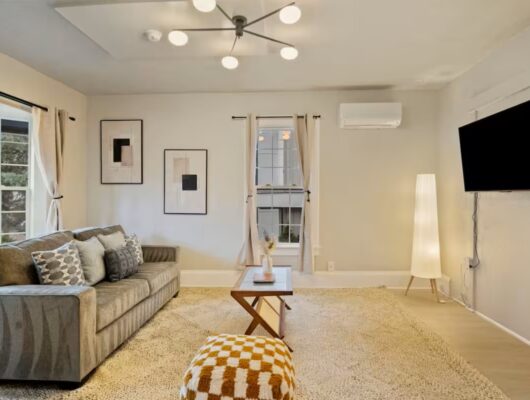
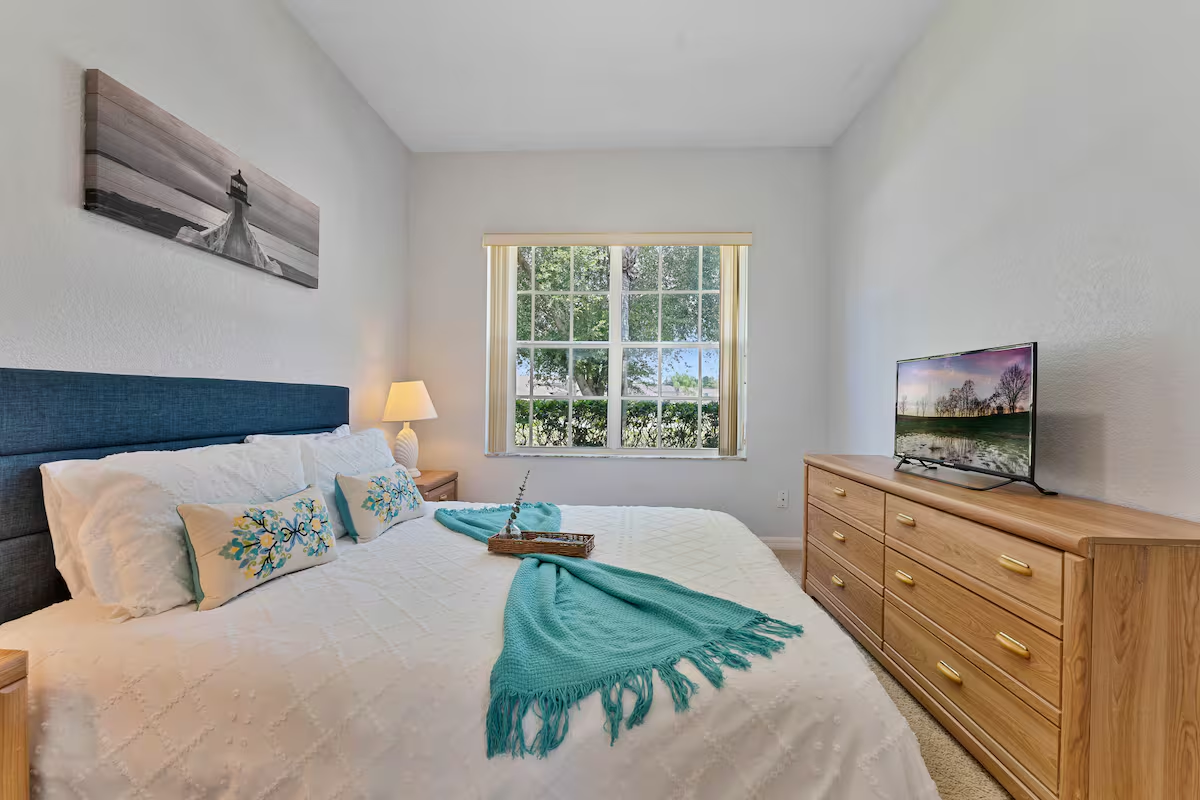
A Tacoma rental can have earning potential, but Tacoma Short Term Rental Management must connect local demand, legal setup, pricing, guest care, and property upkeep. A listing can attract bookings and still leave an owner with thin returns if rates, turnovers, taxes, or repair costs go unchecked. Yirental’s Tacoma service combines these daily tasks under a full-service model, so owners can review performance without handling every guest issue themselves.
What Tacoma Short Term Rental Management needs to account for
Tacoma draws visitors for very different reasons. Some come for events at the Tacoma Dome or Greater Tacoma Convention Center, while others visit Point Defiance Park, museums, the waterfront, or family and friends. These trips create different booking patterns, so a single rate or minimum-stay setting may not suit every week.
A recent market snapshot counted 175 active short-term rental listings across major booking platforms in Tacoma. It reported 68% average occupancy, a $115 average daily rate, and about $26,300 in annual revenue per active listing. These are market averages before owner expenses, and they do not predict what a specific home will earn.
The trend figures need careful reading. The same snapshot showed occupancy rising year over year while average daily rates and revenue per available night fell. That combination points to a practical challenge: filling nights does not always mean a property earns more per open night. Owners need to compare rate, occupancy, and operating costs together.
Location also shapes the right plan. A home near downtown may suit event guests who want quick access to venues, while a rental near Point Defiance may appeal to families seeking parks and outdoor space. A manager should compare a home with similar listings in its area, not use citywide figures as a direct price target.
A full-service model for Tacoma rental owners
Yirental’s Tacoma Airbnb Management covers listing setup, dynamic pricing, guest communication, cleaning coordination, maintenance, and platform support. The company has been in short term rental management business for more than 10 years and have managed nearly 100 listings nationwide. These details describe the company’s broader operation, while each owner’s result depends on property condition, location, demand, and costs.
The process begins with a property review and income estimate based on local booking data. Next, the team helps prepare the home with design guidance, furnishing and supply recommendations, and a shopping list. The team coordinates pre-launch cleaning and photography, then prepares the listing and opens the calendar when the property is ready.
Once bookings start, daily rate adjustments help respond to seasonality, local events, and booking pace. Guest communication runs around the clock, while the team coordinates cleanings, turnovers, and repair requests. Owners receive a monthly statement that summarizes reservations, expenses, and net payout.
This setup can help owners who live outside Tacoma or have limited time to manage arrivals and vendor schedules. It also creates one point of responsibility when a guest reports a problem or a cleaner finds damage. Still, owners should confirm what the service includes and which costs remain separate before signing an agreement.
How Tacoma Short Term Rental Management handles pricing and operations
Pricing needs more than a seasonal rate sheet. A Tuesday in February may behave differently from a Saturday in July, and a major event can change demand for a short window. Yirental says it adjusts rates daily and reviews price ranges every two weeks, using booking data and local demand.
Owners should judge performance by net proceeds, not just booked nights. Cleaning, utilities, supplies, repairs, platform charges, taxes, and management fees all affect the final amount. A calendar that looks busy may still underperform if rates stay too low or turnover costs rise.
The company’s page lists a flat management fee of 20% of rental revenue. It also says ongoing cleaning, maintenance, and supplies are billed at actual cost without markup, while pre-launch cleaning and photography are paid directly to those providers. Furnishing purchases and staging are billed hourly when the owner asks the team to handle them.
That fee structure gives owners a clearer way to compare service options. Ask whether the fee applies to nightly rent alone or also to guest-paid fees, and confirm how refunds, cancellations, and platform adjustments appear in monthly statements. Clear answers help owners compare the fee with the work the manager takes on.
Check Tacoma’s rules before accepting guests
Tacoma defines short-term rentals as residential units, or in some cases rooms, rented for fewer than 30 days at a time. The city says short-term rentals are allowed in many areas, but some limits apply to protect safety and neighborhood character. Before operating, owners need a City of Tacoma business license. A Transient Accommodation License is also required when renting three or more individual rooms.
The rules differ based on how the home is used. The city says the transient-accommodation category does not include an entire dwelling or accessory dwelling unit rented separately, or one or two guest rooms in an owner-occupied home. If an owner rents three or more rooms, the city requires an additional license and review by fire, environmental, and planning staff.
A license is only one part of the review. Owners should check zoning, building and fire safety, insurance terms, mortgage rules, and any HOA restrictions that apply to the address. Tax collection and filing also need a clear process, since lodging taxes and business taxes may involve different agencies and rates.
This is where Tacoma Short Term Rental Management can support an owner’s workflow, but the owner remains responsible for confirming legal eligibility. Keep copies of licenses, inspection records, insurance documents, and tax filings in one place. Check current city requirements before launch and whenever the rules or property use changes.
Make Tacoma’s events and attractions work for the listing
The Tacoma Dome hosted 22 high school and college graduation ceremonies in 2026, bringing thousands of graduates and guests to the venue. Event calendars can help owners anticipate demand, but dates do not guarantee bookings. Owners should check the venue calendar, compare nearby rates, and open their availability early when a relevant event approaches.
Listing details should help guests decide if the home fits their plans. Mention accurate drive times, transit options, parking limits, stairs, and quiet hours. If the property offers family-friendly features, workspace, laundry, or secure parking, show them in current photos and describe them clearly.
Guest service matters just as much after booking. Share arrival instructions before check-in, make emergency contacts easy to find, and explain how to handle trash, parking, and late arrivals. After checkout, review guest feedback and resolve repeated issues before they affect the next stay.
What owners should review each month
A monthly review turns market activity into decisions. Compare booked nights, average rate, revenue per available night, expenses, reviews, and upcoming event dates. Then choose one or two changes to test, such as a shorter minimum stay on open weekdays or better photos of a useful amenity.
Yirental’s Tacoma page describes a case where a long-term rental that had sat vacant was relaunched as a short-term rental and later earned 34% more per month. That is a reported property result, not a guaranteed outcome for other homes. Owners should ask for the assumptions behind any forecast and compare it with their own expenses and booking history.
Strong Tacoma Short Term Rental Management combines local knowledge with careful reporting. Owners need to know which tasks the manager handles, which bills they pay directly, and how often the team reviews pricing. A clear service scope helps prevent missed cleanings, unclear charges, and slow responses.
FAQs about Tacoma Short Term Rental Management
Does Tacoma require a business license for a short-term rental? Yes. The city says owners need a City of Tacoma business license before operating a rental. A Transient Accommodation License is also required when renting three or more individual rooms.
What does Tacoma Short Term Rental Management include? Yirental’s service page lists listing setup, dynamic pricing, guest communication, cleaning coordination, maintenance support, platform management, and monthly owner statements. It also describes design guidance and furnishing recommendations. Confirm the contract for exact coverage and any separate costs.
How much does short-term rental management cost in Tacoma? Yirental lists a flat 20% management fee on rental revenue. The page says cleaning, maintenance, and supplies are billed at actual cost, while pre-launch cleaning and photography are paid directly to providers. Review the agreement to confirm the fee basis and all owner-paid expenses.
A Tacoma rental can serve event visitors, families, and leisure travelers, but each group brings different needs. Owners can protect the guest experience and their returns by pricing with care, meeting local requirements, and tracking every operating cost. Tacoma Short Term Rental Management works best when owners know what the service covers and how the property performs after expenses.